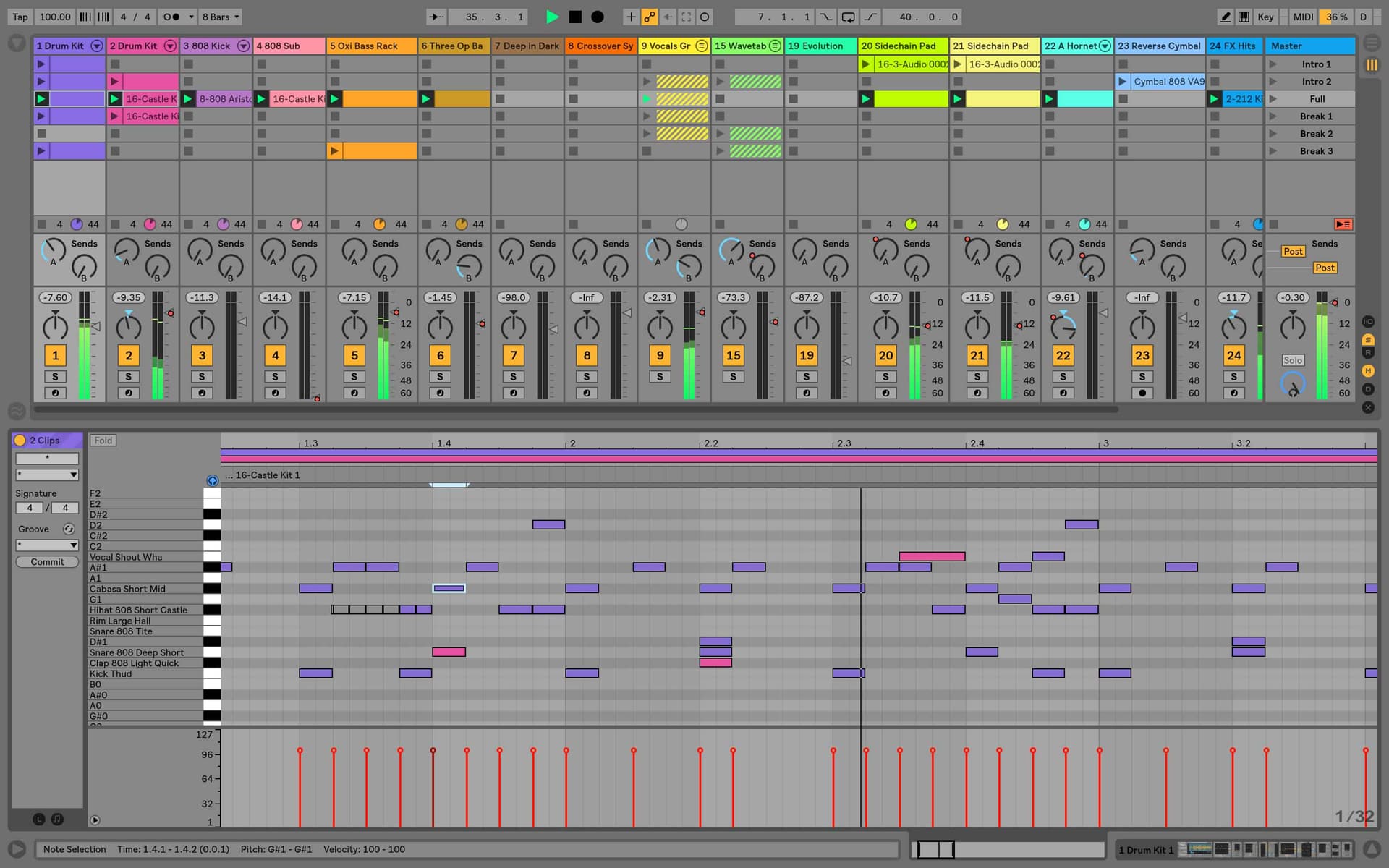
Ableton Live Class | San Francisco
Ableton Live Music Production Course | Bay Area
Getting Started
- →Arrangement and Session View
- →MIDI and Audio Clips
- →Basic Templates and Track Defaults
- →Saving Projects and Library Organization
- →Interface Overview and preferences
Creating MIDI and Audio
- →The Piano Roll and the Beat Grid
- →Warping and Quantizing Audio
- →Audio Manipulation and Resampling
- →MIDI Notes and Building Beats
- →Clip View and Clip Properties
Ableton’s Instruments and Devices
- →FX and Automation
- →Drum Racks and Building Beats
- →Simpler and Sampler
- →Synthesis Basics
- →Deep Dive into Analog, Wavetable and Operator
- →Max4Live and 3rd Party Plugins
Constructing the Song
- →Finalizing Arrangements
- →Starting an Idea in Session View
- →Basic Music Theory and Cheats
- →Constructing Chords, Melodies and Basslines
- →Song Structure
Recording and Engineering
- →Setting up MIDI Controllers and MIDI Mapping
- →Basics of Sound Waves, Frequency and Amplitude
- →Understanding EQ and Compression
- →Introduction to Mixing
- →Audio Interfaces and Recording Live Instrumentation
Advanced Techniques
- →Track Grouping and Routing
- →Ableton Racks and Chains
- →Push 2
- →Introduction to Mastering
- →Editing Arrangements
Additional Info
- →This course supports Ableton for Mac and PC.
- →Headphones and MIDI keyboards are available to use.
- →Download a free 30 day trial of Ableton Suite here.
36 Hours | $1,799 if booked 14 days before start, or $2,099 otherwise, + $200 Registration
Taught at our San Francisco studio, the Ableton Live Class keeps groups small enough that every student gets real time at the controls. Bay Area producers lead the sessions, and the identical course can be taken live online if that suits you better, using our specialist music collaboration software, Muse.
Let’s Get Going!
- →How to set up: Audio and the preferences window
- →Explore what makes Ableton different to other DAWs
- →Applications of session view and arrangement view: when to use which
- →Live concepts: clips / browser / scenes / library
- →Launching clips
- →The concept of Ableton’s unique warp engine
- →An introduction to FX
- →An introduction to instruments
Creating With MIDI & Audio
- →How to quantize audio
- →How warping works
- →Clips – exploring clip view & properties of clips
- →How to make beats with Drum Racks & Simpler sampling
- →Live’s effects and employing third-party effects
- →How to record MIDI and set up live looping
- →Basic routing and resampling
- →Automation – how to create dynamic change in arrangements
DJing and Live Performance
- →Preparing whole tracks (warping) and harmonic mixing
- →‘On-the-fly’DJ effects
- →Grouping tracks and basic routing
- →How to use MIDI controllers more effectively / mouse-free control
- →Bespoke Ableton controllers – Akai, Push and Novation
- →Structuring your sets & using loops
- →How to record your performance & edit the arrangement view
- →Bouncing down
MIDI Tracks and Composing with Virtual Instruments
- →Simpler – Learn to unlock the full potential of this simple sampler
- →Drum Rack – Programming beats, how to chop up loops, manipulating sounds, vocals and tracks – making rhythms from any sound source and also exploring the technique of Slice to MIDI.
- →Grooves & how to extract them
- →Using & controlling virtual instruments from third party developers
- →Setting up controllers via MIDI keyboard or drum pad
- →How to get creative with MIDI effects
Recording Techniques and an Introduction to Sound Design
- →Balancing – an introduction to the art of mixing. Group tracks and advanced uses of routing
- →The recording patch in detail, & an introduction to gain structure
- →EQ and compression for recording
- →Introduction to sound waves, frequency & amplitude
- →Foldback, headphone mixes & latency
- →Microphones overview and stereo mic-ing techniques
- →Recording specific aspects of Ableton
- →Digital, analog, sampling rate and bit-rate explained
- →How to compile audio takes
Advanced Techniques
- →Advanced warping – manipulate classical music, a capellas and anything else without beats!
- →Clip envelopes – how to use the unique loop-based technique, unique to Ableton, for automation on audio fx,, midi fx and instruments. Learn to achieve complex music, sound and rhythm manipulation with ease.
- →Multi-track warping
- →An introduction to Racks & Chains – their powerful hidden features. Also includes how to layer FX and instruments
- →Bringing all automation types together – and how to create build-ups and break-downs with complex sounds.
Use the ‘CONNECT’ button below to request schedule and pricing information. One of our placement experts will follow up within a business day. For one-to-one lessons, see our Music Production Private Instruction page.
In our students' words.
“The course is very friendly and engaging. Any and all questions will be asked with no hesitation or frustration, and it helps everyone else in the class that might have the same question in mind.”
Ryan Conway
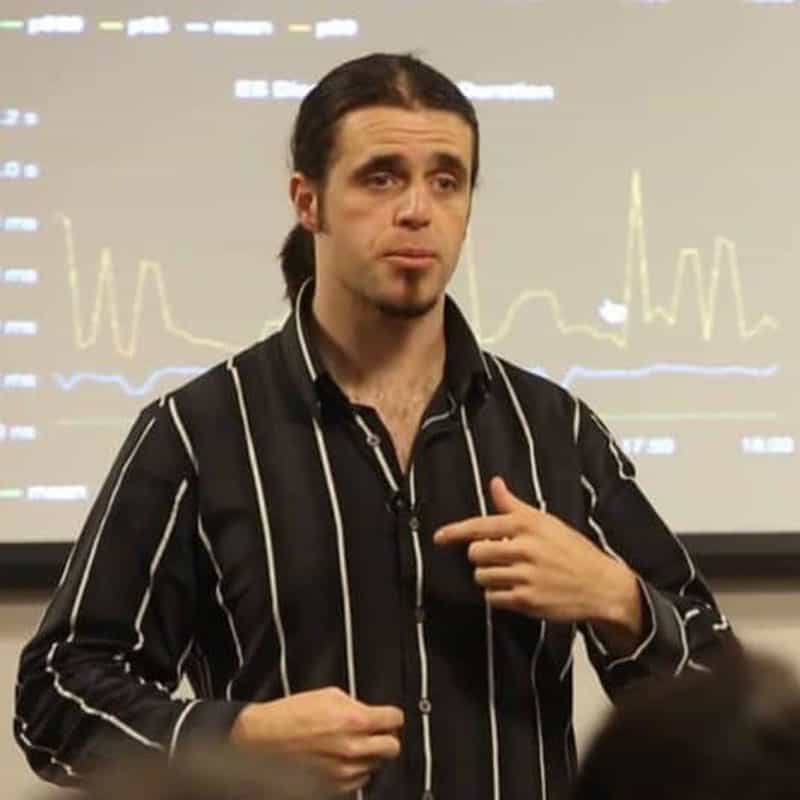
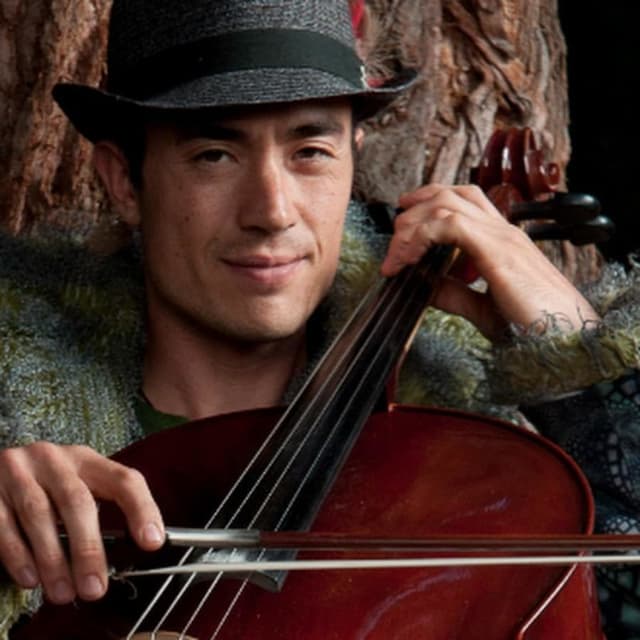
Instructors


Before you enrol.
Yes - see our Music Production Private Instruction page.
There's an introduction to mastering as part of the advanced techniques module, alongside mixing fundamentals.
Yes - you can download a free 30-day trial of Ableton Suite.
Headphones and MIDI keyboards are available to use if you don't have your own.
36 hours.
Yes - it works for complete beginners and intermediate self-taught users alike.
Ready when you are.
InquireWhy train with us?
Link, Tempo Follower and MIDI Sync
Playing in time with other people, other software and other machines. Link over a network, Tempo Follower chasing a live drummer, and old-fashioned MIDI clock.
Read →Granular: Beat Mode, Warping Using Quantized
The Beats mode is particularly useful for rhythmic material, while the Tones and Texture modes can create more abstract, atmospheric or also gated sounds.
Read →Wave: Auditioning Wavetables Using an Envelope
Auditioning wavetables using an envelope is a particularly useful technique when working with wavetable synthesis, as it allows you to explore the full…
Read →Racks in Depth: Zones, Chains and Macro Variations
Racks past the basics. Key and velocity zones, chain select, macro variations as snapshots, randomising macros, and extracting a chain back out.
Read →Creative Audio Effects: PitchLoop89
PitchLoop89 is a Max for Live audio effect developed by Dillon Bastan that can create various pitch shift effects and glitchy sounds. It is based on the…
Read →M4L Devices: M4L Drum Synths
DS Clang consists of two separate tones, white noise and a filter, allowing you to create a variety of cowbell, clave and noise percussion sounds.
Read →