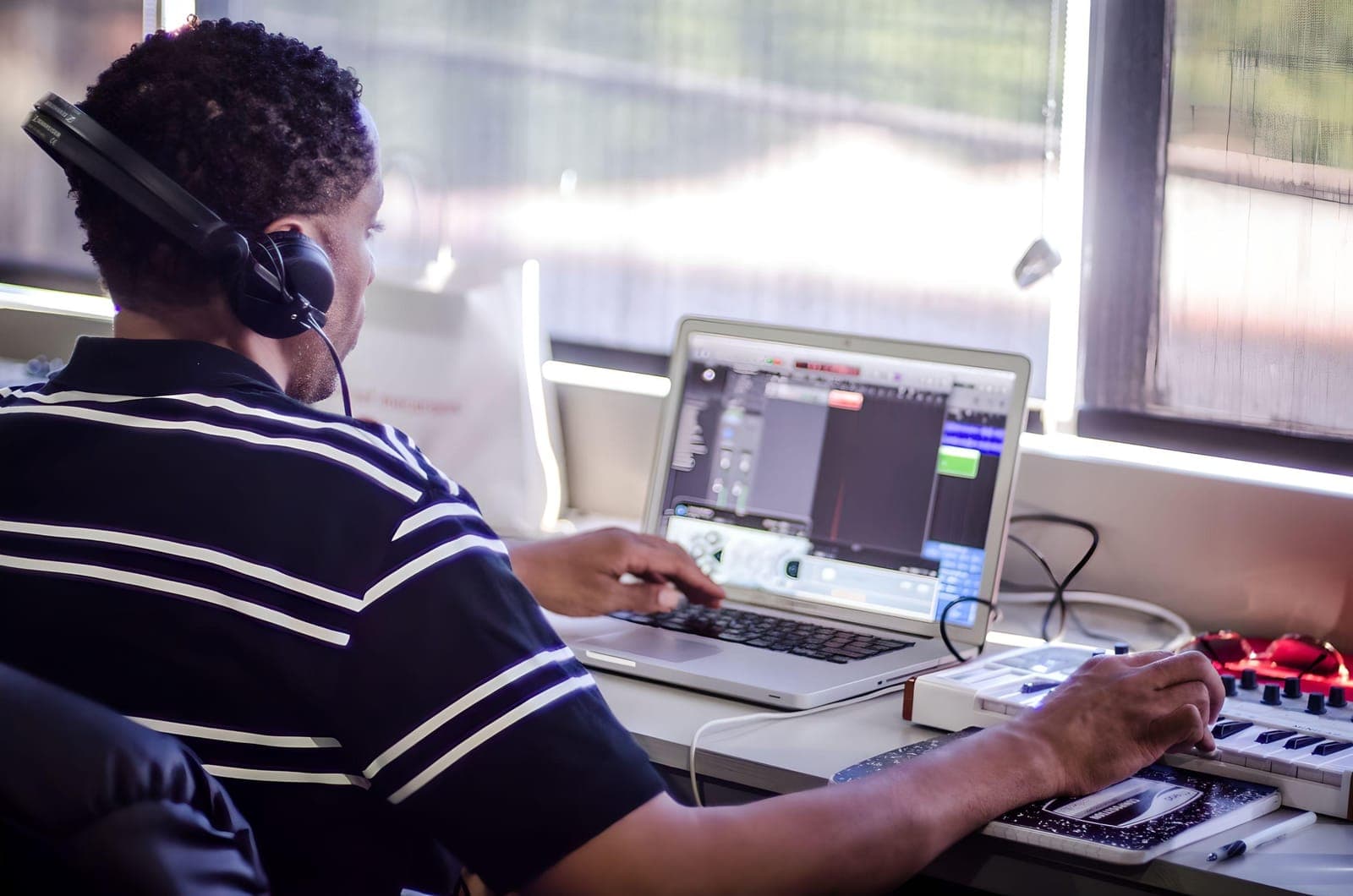
Pro Tools Class | San Francisco
Pro Tools Course | San Francisco
- →Successfully perform basic editing, including selecting and navigating around the relevant windows
- →Import audio &video into sessions
- →Perform basic mixing and apply routing concepts to sessions
- →Diligently deliver and perform backup of work
- →Apply mixing techniques for post production, including film & TV
- →Create, set up and successfully configure Pro Tools session/Project
- →Set up and capture/record both audio & MIDI information
Use the ‘CONNECT’ button below to request schedule and pricing information. One of our placement experts will follow up within a business day. For one-to-one lessons, see our Music Production Private Instruction page.
Taught at our San Francisco studio, the Pro Tools Class keeps groups small enough that every student gets real time at the controls. Bay Area producers lead the sessions, and the identical course can be taken live online if that suits you better, using our specialist music collab software, Muse. Discover qualities that distinguish us.
In our students' words.
“The instructor was great. He was extremely good at explaining things and always gave us enough time to put what we were learning into practice. Most importantly, he is passionate about music and actually enjoys teaching which really makes the whole experience very enjoyable.”
Reggie Chelsom
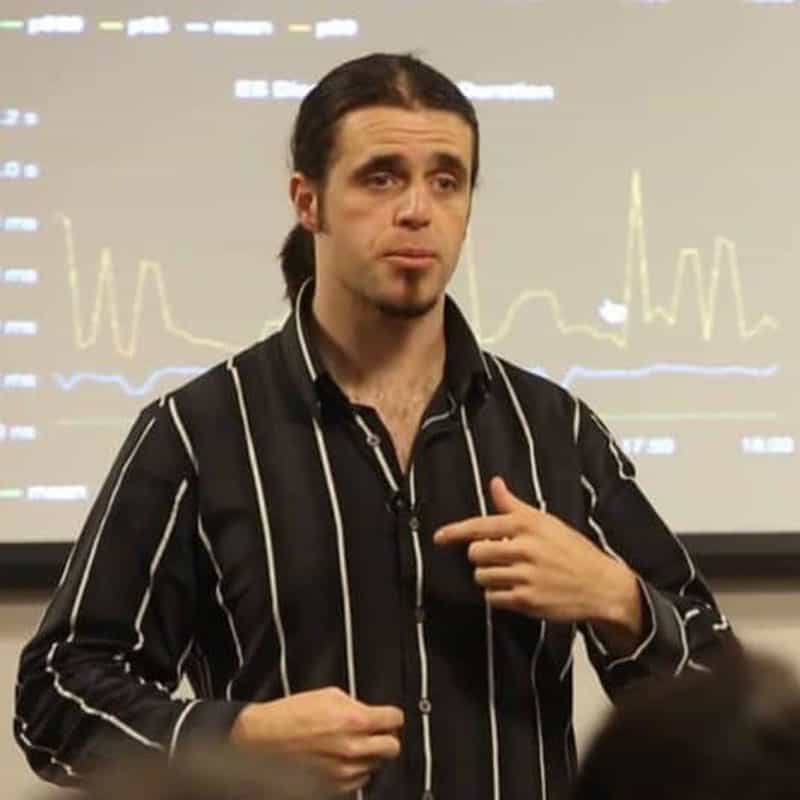
Some Instructors
Before you enrol.
36 hours (or 20 hours 1:1) - $1,499 + $100 registration (14+ days out) / $1,799 + $200 otherwise
Ready when you are.
InquireWhy train with us?
Sound Design with Macro Variations in Live 11
By Heinrich Zwahlen The ability to store the state of Macro Controls as preset variations in Racks has drastically increased the functionality of these already...
Read →Modulation
We have discussed the most common modulation effects such as chorus, flanging and phasing. Now it is time to investigate other modulation effects.
Read →Microphone Polar Patterns for Beginners
by Katie Gilchrest Understanding how microphones “hear” is the first step in learning how to mic instruments properly. The directionality of a microphone is commonly explained as a polar pattern, and microphone use in the studio, as well as live settings vary based on each one. Understanding microph
Read →Dynamics
The human ear uses compression for pretty much the same reasons that we do in music, that being to control the level of an audio signal. As you may…
Read →Audio Interfaces
Audio Interfaces An audio interface is a piece of hardware that connects musical instruments, microphones, and other sound sources to a computer. The audio interface acts as a bridge between the analog audio signals from the instruments and the digital signals that the computer can understand and pr
Read →Basic Panning Techniques
How to place instruments across the stereo field, why the low end stays centred, and how to avoid phase cancellation and masking.
Read →