Mixing & Mastering Class | San Francisco
World-class Mixing & Mastering Program | San Francisco
EQ, Environment, Acoustics & Separation
- →The art of balancing and panning
- →All about mono and stereo
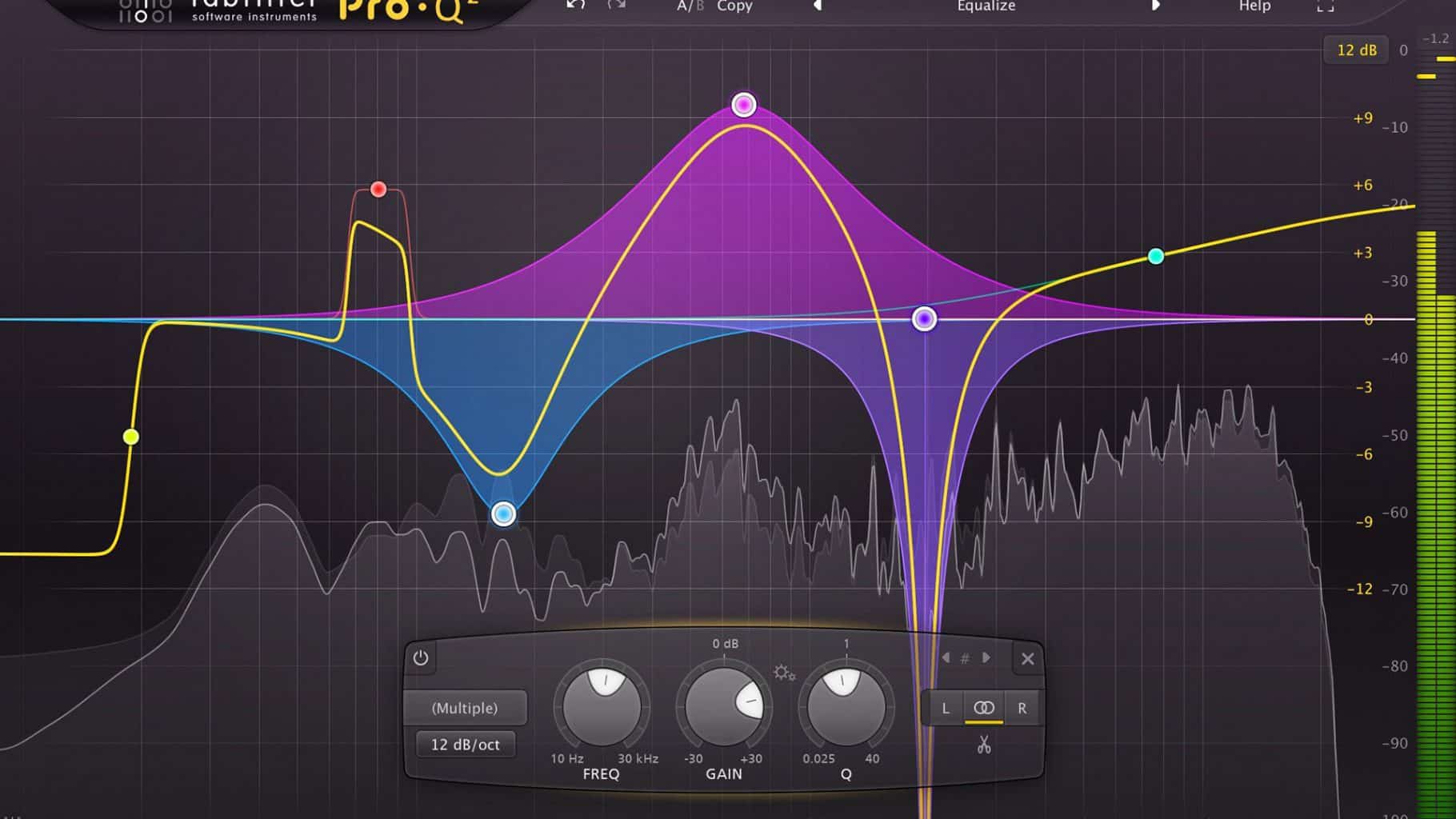
- →EQ
- →Studio monitor speaker design
- →Acoustics and physics
- →How to use your ears for mixing
Dynamics
- →Gates and de-essers
- →Dynamic controller tips to achieve clarity in your mix
- →All about compression
- →In-depth with the parameters
- →Types of compression circuitry (optical, valve, etc.) and their digital emulations
- →Parallel dynamic processing
Reverbs, Delays & Other FX
- →Phaser, flanger, chorus, pitch shifters, harmonisers and creative FX
- →Tips on how to make your records come to life with FX
- →Types of reverb and delay, where and how to use them
- →In-depth with all the parameters
- →Spatialisation with convolution reverbs and delays
Mixing Vocals
- →Getting separation between lead and BVs
- →Tips on automating levels (rides)
- →FX Chains for your vocal sound
- →Preparing vocals, vocal comping and tuning vocals
Creative Mixing
- →Automation
- →Filtering and samples
- →Vocoder, Ring Modulators, Envelopers, Auto-panning, distortion and bit crushing
- →Sidechaining dynamic controllers and filters for FX
- →Getting creative with reverb and delay
- →Pitch shifters, harmonisers and creative FX
- →Saturation
Analysis & The Final Mix
- →The mix revision process
- →Preparing your mix for the master process
- →Active listening and critiquing of released mixes
- →Analysis and critique of your mixes
Mastering
- →Other useful metering tools and techniques
- →Using references to get your EQ and separation. A/Bing
- →EQ, brick wall limiting, levels, and phase
- →Which mastering plugins to use – dos and don’ts
Additional Information
- →Our small class sizes allow for instructors to curate class content to the students wants and needs.
- →Students receive access to numerous discounts on production software.
- →Use your own laptop, or use our macbooks free of charge.
- →Headphones are available to use.
- →Personal USB drive or SSD for storing your files is recommended
Use the ‘CONNECT’ button below to request schedule and pricing information. One of our placement experts will follow up within a business day. For one-to-one lessons, see our Music Production Private Instruction page.
Taught at our San Francisco studio, the Mixing & Mastering Class keeps groups small enough that every student gets real time at the controls. Bay Area producers lead the sessions, and the identical course can be taken live online if that suits you better, using our specialist music collaboration software, Muse.
EQ, Environment, Acoustics & Separation
- →Studio monitor speaker design
- →Acoustics and physics
- →How to use your ears for mixing
- →The art of balancing and panning
- →All about mono and stereo
- →EQ
In our students' words.
“I won't change anything. I learned and enjoyed a lot! Good location and neighborhood, nice people and easy parking.”
Mono Villa
Instructors


Before you enrol.
No - it applies to any genre, in any DAW.
Yes - preparing, comping and tuning vocals, plus building FX chains specifically for vocal sound.
No - you can use your own, or use one of our MacBooks free of charge.
Yes - interest-free installments are an option.
Active listening and critiquing released mixes, analyzing your own mixes, and preparing them for mastering.
Yes - access to a number of discounts on production software.
$1,799 (14+ days out) / $2,099 otherwise, + $200 registration
Ready when you are.
InquireWhy train with us?
More Creative Mixing Techniques
Creative mixing is all about taking a unique and innovative approach to the mixing process. Here are some tips to help you mix creatively:
Read →Microphone Polar Patterns for Beginners
by Katie Gilchrest Understanding how microphones “hear” is the first step in learning how to mic instruments properly. The directionality of a microphone is commonly explained as a polar pattern, and microphone use in the studio, as well as live settings vary based on each one. Understanding microph
Read →Equalization
Shelving, peak and graphic EQ, what lives in each frequency band, and how to cut and boost - with starting points for kick, snare and bass.
Read →Drum Miking Techniques
Drum Miking Techniques: Recorder Man and Glyn Johns Katie Gilchrest's take on drum miking techniques Many considered the drum set one of the hardest pieces of equipment to mic in a studio. A drum kit is not one instrument, but a collection of multiple instruments, featuring a wide variety of differe
Read →Recording Techniques – Putting The Courses Into Practice
Logic and Mixing learner Nick Burns (Captain Mermaid) tells us how he put the recording techniques he learnt on the Logic course and even the Mixing course into practice when he recorded and mixed this collaboration with singer Rebekah Anne Steele. "I used two SE small capsule condenser microphones
Read →Automation: Mixing as a Performance
A mix is not a set of static positions. Fader rides, send moves, section steps and the four automation modes - plus the override that catches everyone.
Read →