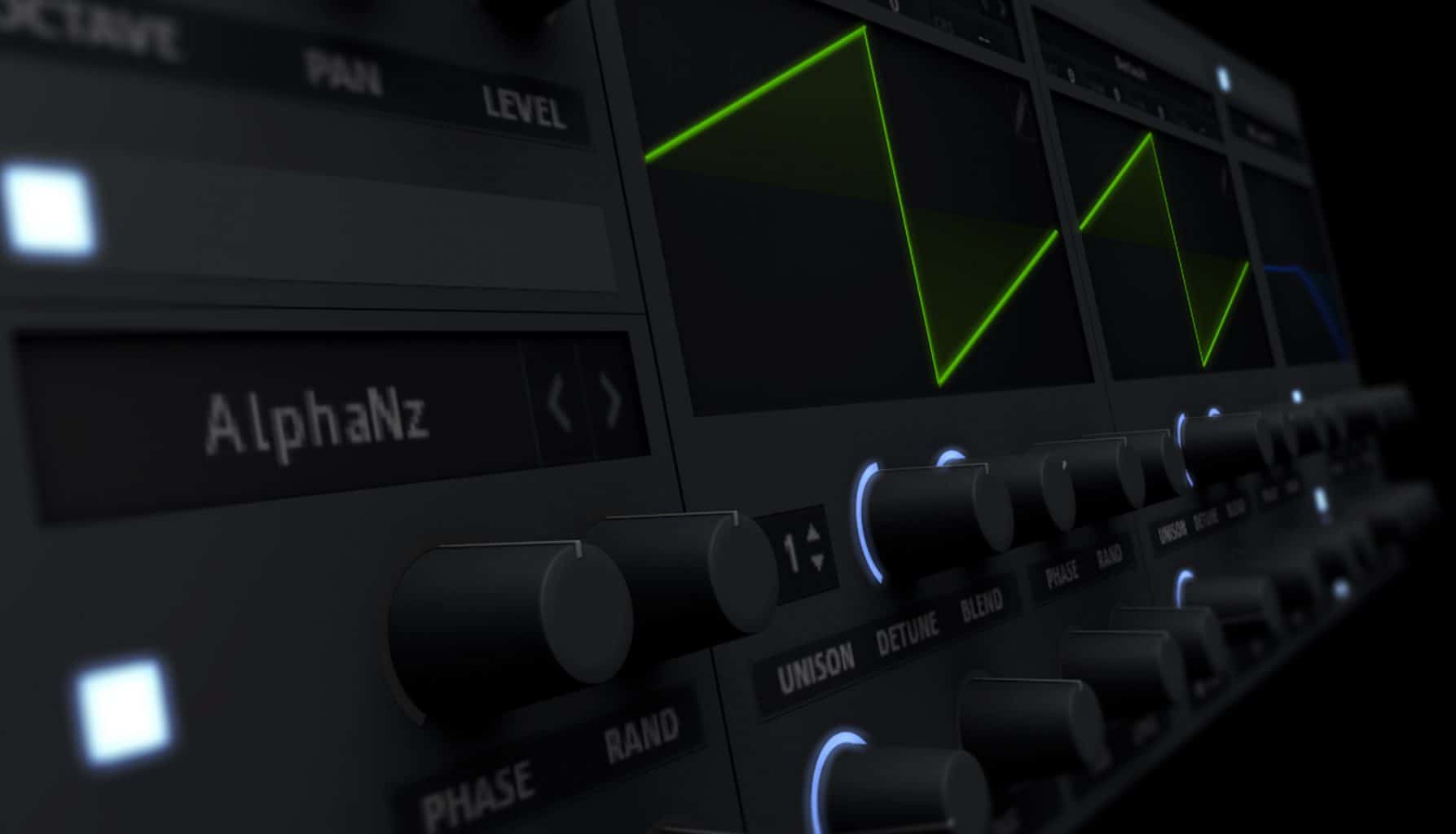
Sound Design & Synthesis Class | San Francisco
World-class Sound Design & Synthesis Program
Taught at our San Francisco studio, the Sound Design & Synthesis Class keeps groups small enough that every student gets real time at the controls. Bay Area producers lead the sessions, and the identical course can be taken live online if that suits you better, using our specialist music collaboration software, Muse.
Sound Design & Synthesis
Overview
- →Exploring amplitude, pitch and timbre
- →Advanced run-through of industry-leading soft synths
- →Tonal processing, effects and resampling
- →Implementing design elements into your projects
- →Understanding sound waves and frequency
Introduction to Synthesis
- →Creating pads, basses, plucks, leads and drums using synthesis techniques
- →Deep dives into subtractive, wavetable and FM synthesis
- →Adding movement with modulation and automation
- →Understanding Oscillators, Filters, Envelopes & LFOs
- →The Overtone series
Tools of the Trade
- →Vital - wavetable synth, free download here.
- →Advanced sampler techniques
- →Ableton synths: Analog, Operator, Wavetable
- →Logic Pro synths: ESP, ESFM1, ES1, Alchemy
- →Xfer’s Serum - wavetable synth
Audio Manipulation
- →Layering and multisampling for complex textures
- →Creating drones and eerie soundscapes
- →Warping, stretching, mangling audio samples
- →Resampling and effects processing
- →Advanced audio editing
Creative Drum Design
- →Synthesizing drum sounds from the ground up
- →Layering with foley for a truly unique sound
- →Turn any sample into a rhythmic element
Effects Processing and Automation
- →Implementing effects chains for creative sound manipulation
- →In depth automation using Macro controls
- →Spatial audio techniques: stereo imaging and binaural audio
- →Introduction to audio effects: reverb, delay, chorus, distortion, etc.
Effects Processing and Automation
- →In depth automation using Macro controls
- →Spatial audio techniques: stereo imaging and binaural audio
- →Introduction to audio effects: reverb, delay, chorus, distortion, etc.
- →Implementing effects chains for creative sound manipulation
Real-world Applications and Projects
- →Sound design for film, TV, and video games
- →Creating soundscapes and audio branding
- →Compile your own sample and preset pack
Additional Information
- →This class is geared to teach you techniques regardless of what DAW you use
- →The purchase additional software synths or plugins are not required for this course
- →You will be equipped to dig into any synth you can get your hands on!
Overview
- →Exploring amplitude, pitch and timbre
- →Advanced run-through of industry-leading soft synths
- →Tonal processing, effects and resampling
- →Implementing design elements into your projects
- →Understanding sound waves and frequency
In our students' words.
“The EMP course is a good time and super informative. I've been writing and producing music for the past year in Logic. There was so much I wanted to transcribe from my mind to my DAW, I just didn't fully know how. Fortunately, the EMP course changed that in just a few short weeks. Very exciting. Not to mention the Garnish LA folks are super cool.”
Patricia Seely
Instructors

Before you enrol.
Yes - see our Music Production Private Instruction page.
No - it's intermediate to advanced, so a good working knowledge of your DAW is expected going in.
No - no additional software synths or plugins are required, though the course covers well-known ones like Serum and Vital.
It's largely based on Ableton Live and Logic, but the techniques apply regardless of what DAW you use.
Sound design for film, TV and video games, creating audio branding, and compiling your own sample and preset pack.
36 hours.
36 hours - $1,799 (14+ days out) / $2,099 otherwise, + $200 registration
Ready when you are.
InquireWhy train with us?
Audio Effects: Delay, Reverb, Filter, Compressor and Preamp
The core effects as sound design tools, with Arturia's recreations of classic hardware - tape delay, plate reverb, filters, FET compression and console preamps - what each classic unit did, and how to use them creatively.
Read →Subtractive Synthesis: Oscillators and Filters
The most widely used form of synthesis - start with harmonically rich waveforms and carve them with filters. Oscillators, detune and unison, noise, mixers, filter types, cutoff, resonance and slopes.
Read →Drums: Shaping and Synthesising
Shaping drum sounds - envelopes, transient shaping, pitch, tuning to the key, EQ and saturation - and synthesising kicks, snares, hats and percussion from scratch, including FM drums.
Read →Wavetables in Serum
Xfer Serum's wavetable workflow - oscillators and wavetable position, warp modes, unison, the sub and noise oscillators, filters, drag-and-drop modulation, importing and drawing wavetables, and designing modern basses and leads.
Read →Review of Synthesis: Subtractive in Pigments
A synthesis refresher built in Arturia Pigments - oscillators, filters, amplifiers, envelopes and LFOs - using Pigments' virtual analogue engine, its filters and routing, and its modulation system.
Read →Reaktor Blocks: Modular Synthesis
Modular synthesis inside Reaktor - what Blocks are, how they mimic a Eurorack-style modular system, patching audio and control voltages, building a patch from oscillators, filters, envelopes, sequencers and modulators, and thinking modularly.
Read →